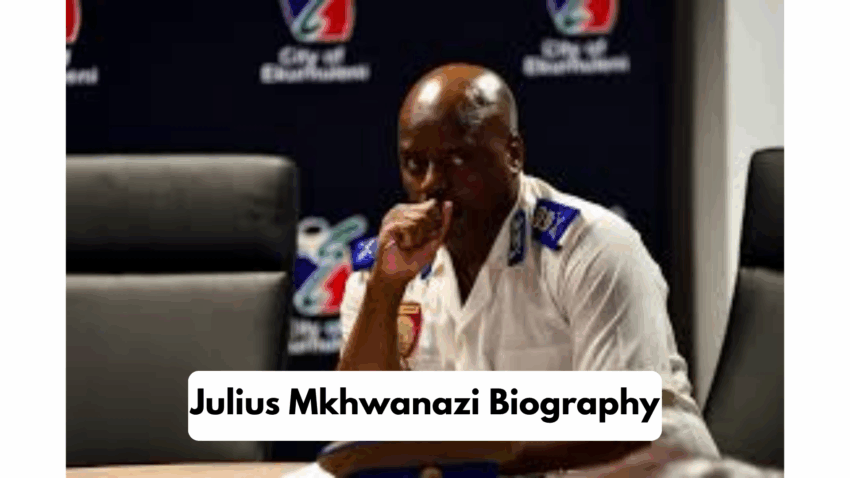
Julius Mkhwanazi is a senior South African metro police officer best known for his leadership roles within the Ekurhuleni Metropolitan Police Department (EMPD).
Over the last few years he rose into acting senior leadership positions, a climb that brought both recognition and intense public scrutiny as allegations of irregular conduct and improper favours surfaced.
Several media investigations and formal inquiries have since placed Mkhwanazi at the centre of debates about accountability in municipal policing.
Early life and background
Public records and news coverage offer limited detail about Mkhwanazi’s early life in the public domain. Like many career law-enforcement professionals, he appears to have advanced through municipal policing ranks over several years. Available reporting focuses mainly on his professional roles rather than private biography, and there is little reliable, sourced information publicly available about his childhood, education, or family life beyond short biographical notes in press profiles.
Career progression: from officer to senior EMPD leader
Mkhwanazi established himself as a senior figure within the Ekurhuleni Metropolitan Police Department. Over time he was promoted into leadership roles and served in positions responsible for operations and specialised services. At various points he acted in the role of the EMPD’s head or deputy chief, overseeing operational teams and municipal policing initiatives. His promotion into acting senior roles drew attention both for his professional influence and for questions raised later about some of his administrative decisions.
The controversies: allegations, special leave and inquiries
From 2023 onwards—and intensifying in 2024–2025—Mkhwanazi became linked to a series of allegations relating to misuse of office and improper favours. Reporting and testimony in public inquiries accused him of actions including granting unauthorised privileges (such as blue lights) to private individuals and fast-tracking promotions for certain officers. Those allegations gained national attention when they were discussed in hearings at larger probes into policing conduct, notably the Madlanga Commission of Inquiry. As a result of these allegations, Mkhwanazi applied for, or was placed on, special leave and faced internal and external investigations.
One of the most high-profile claims reported in the press involved allegations that vehicles belonging to a controversial businessman were registered as municipal vehicles and fitted with blue lights—an action that would amount to an abuse of policing privileges if proven. Separate testimony and investigative reporting also accused Mkhwanazi of pushing through a large number of promotions in a short period, some of which were later described as irregular by critics and witnesses.
Public response and political fallout
News coverage shows that Mkhwanazi’s case attracted widespread attention from local councillors, opposition parties and civil-society voices. Some political actors pressed for suspension and formal inquiries; others argued procedural or administrative constraints shaped the municipal response. The situation prompted council debates, media scrutiny and the involvement of parliamentary and judicial instruments that review police conduct. Public confidence in parts of the EMPD was affected as reporting raised questions about institutional oversight and whether internal controls had been bypassed.
Formal investigations and the Madlanga Commission
Key details about the allegations were aired at the Madlanga Commission and similar forums where senior police officials and witnesses testified. The Commission’s hearings and related media reporting served to surface testimony tying municipal police practices to potential favouritism and procedural breaches. As of the latest coverage, Mkhwanazi’s situation remained under investigation or review, and formal processes (internal inquiries, commission hearings, possible disciplinary steps) were ongoing.
What supporters and critics say
Supporters and some municipal voices have, at times, emphasised due process and cautioned against presuming guilt ahead of completed investigations. Critics, watchdogs and some opposition figures argued the pattern of allegations—if proven—would demonstrate systemic weaknesses and politicised appointments that harm public trust. The divide in commentary has made Mkhwanazi a polarising public figure.
Personal life and public image
Reliable reporting focuses mainly on Mkhwanazi’s official capacity and the controversies around his conduct rather than detailed personal biography. In the absence of confirmed, high-quality sources about his private life, it is prudent to avoid speculation. Media photos and public appearances show him in uniform at official events.
Current status and possible outcomes
According to the most recent reporting, Mkhwanazi’s status has involved special leave and suspension at various times while investigations continue. The outcome depends on findings from internal disciplinary procedures, the Madlanga Commission’s conclusions where relevant, and any criminal investigations that might follow from evidence discovered. Should findings prove misconduct, possible outcomes range from administrative penalties and dismissal to criminal charges in the most serious scenarios. If investigations clear him, the focus would likely shift to institutional reforms to prevent similar controversies in future.
Frequently Asked Questions
Who is Julius Mkhwanazi?
He is a senior Ekurhuleni Metro Police Department officer who has served in leadership roles, including acting chief and deputy positions.
What are the main allegations against him?
Media reporting and inquiry testimony have accused him of improperly granting blue-light privileges to private vehicles, irregular promotions, and favouring certain tender-linked individuals—allegations that are the subject of investigations.
Has he been suspended or placed on leave?
Yes — press reports indicate he has at times been placed on special leave or suspended while inquiries were ongoing.
Is he facing criminal charges?
As of the latest public coverage, the situation was under investigation; reports focused on commission hearings and internal probes rather than widely published criminal convictions.
Conclusion
Julius Mkhwanazi’s biography to date is a mix of a long municipal policing career and a sudden spotlight created by high-profile allegations. The story highlights the complexities that arise when public-security roles intersect with political influence, procurement, and private interests. While media coverage has been extensive, formal accountability depends on the outcomes of investigations and legal processes. For those interested in the latest developments, reliable national outlets and commission records should be consulted for updates as proceedings continue.