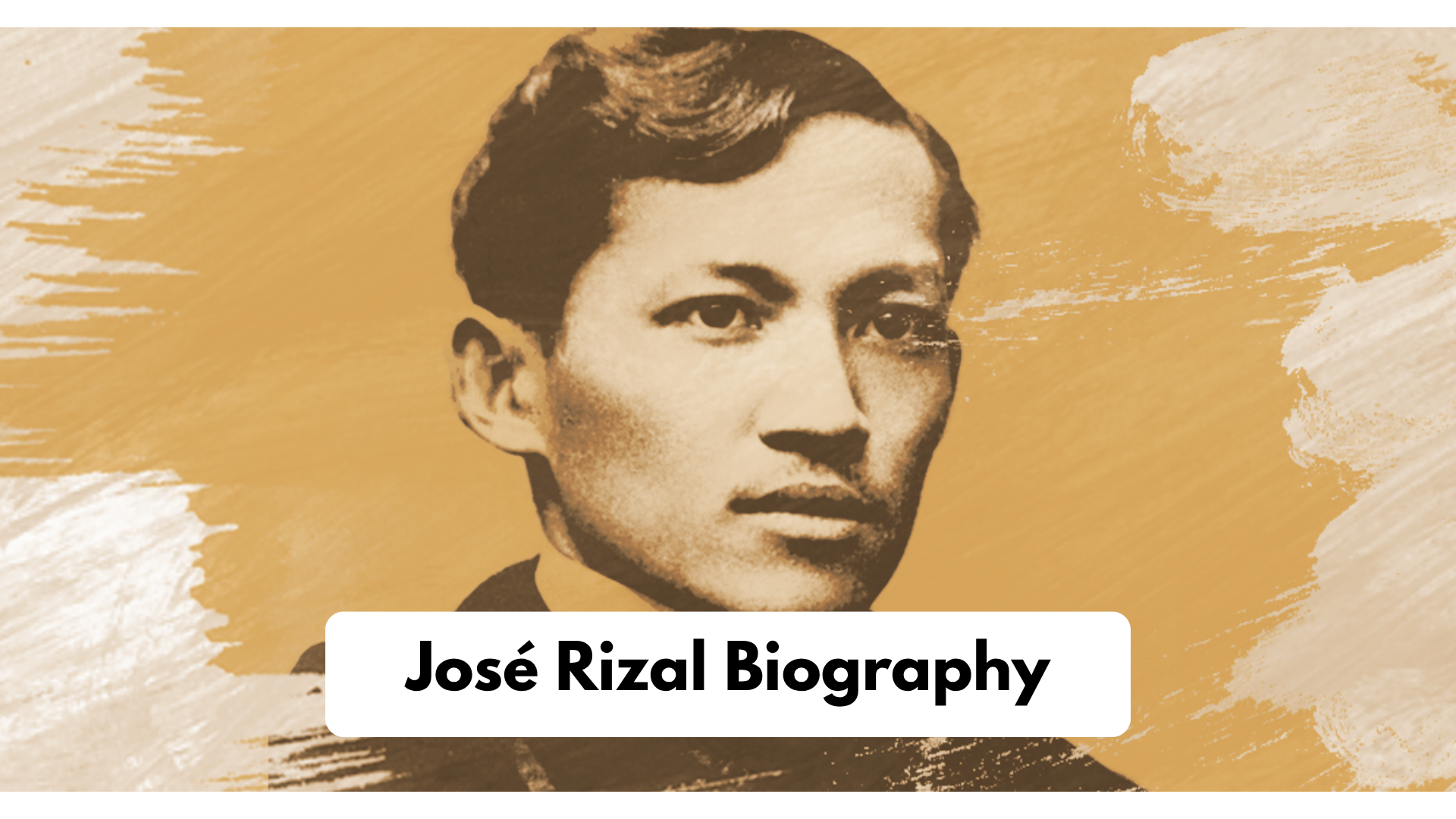
José Protacio Rizal Mercado y Alonso Realonda (June 19, 1861 – December 30, 1896) is widely regarded as the foremost national hero of the Philippines.
A polymath: novelist, poet, ophthalmologist, linguist, and political thinker, Rizal’s life and writings played a central role in the intellectual awakening that preceded the Philippine Revolution.
His novels Noli Me Tángere and El Filibusterismo exposed social injustices under Spanish colonial rule and inspired reform-minded Filipinos to demand equality and civic liberties.
Early Life and Family
Born on June 19, 1861 in Calamba, Laguna, José Rizal was the seventh of eleven children in a wealthy and educated mestizo family. His parents, Francisco Mercado and Teodora Alonso, valued education and moral discipline. From an early age Rizal exhibited prodigious talent in languages, arts, and sciences. His multilingual ability later included fluency in Spanish, Tagalog, English, French, German, Latin, and several other languages.
Education and Intellectual Formation
Rizal’s formal education began in the Philippines. He studied at Ateneo Municipal de Manila where he earned a Bachelor of Arts with highest honors. He then studied medicine at the Universidad Central de Madrid in Spain, where he pursued ophthalmology to treat his mother’s failing eyesight. Rizal also trained in Paris and Heidelberg, studying under leading European scholars. His exposure to Enlightenment thought, liberalism, and nationalist currents in Europe deeply shaped his reformist view of society.
Travels and Broader Worldview
Rizal’s travels across Europe, the United States, and Asia broadened his perspective. He lived for extended periods in Spain, Germany, France, and Belgium, and visited neighboring Asian lands. He wrote essays and correspondence that critiqued colonial abuses and championed peaceful reform through education and civic engagement. His international network included artists, intellectuals, and Filipinos abroad who shared his passion for humane reforms.
Major Works: Noli and Fili
Rizal’s two novels stand as the cornerstones of his literary legacy. Noli Me Tángere (1887) — “Touch Me Not” — is a social novel that depicts the corruption, hypocrisy, and injustices of colonial society. El Filibusterismo (1891), the darker sequel, portrays the consequences of oppression and the path toward radical change. Though Rizal’s intent was reform rather than violent revolt, his sharp critique of the clergy and colonial officials galvanized public opinion and became a catalyst for the revolutionary movement.
Activism, Reform, and Writing
Rizal favored peaceful reforms rather than armed rebellion. He advocated equality before the law, education for Filipinos, representation in the Spanish Cortes, and the end of abusive friar power in local affairs. He founded and supported civic organizations, contributed to newspapers, and wrote essays that exposed abuses and proposed progressive solutions. His ability to combine literary artistry with political critique made his writings both appealing and dangerous to colonial authorities.
Arrest, Exile, and Trial
As Rizal’s reputation grew, Spanish authorities viewed him as a threat. He was arrested and exiled to Dapitan (1892–1896) in Mindanao, where he continued to teach, do scientific research, practice medicine, and help the local community through projects such as irrigation and school-building. In 1896, after the outbreak of the Philippine Revolution, the Spanish colonial government tried Rizal in a military court, accusing him of sedition and conspiring with revolutionaries — charges historians argue were largely circumstantial and politically motivated.
Execution and Martyrdom
On December 30, 1896, José Rizal was executed by firing squad at Bagumbayan (now Rizal Park) in Manila. His dignified composure at the moment of death, his final poem “Mi último adiós” (My Last Farewell), and the symbolic manner of his execution transformed him into a martyr. Rizal’s death intensified anti-colonial sentiment and strengthened the resolve of the Filipino revolutionary movement. His life and martyrdom remain powerful symbols of national dignity and the pursuit of justice.
Legacy and Impact
Rizal’s impact on Philippine society goes far beyond the revolutionary era. He is honored as a national hero, a symbol of peaceful reform and intellectual resistance. Schools, streets, monuments, and institutions bear his name. His writings are still read, studied, and debated for their literary merit and moral urgency. Rizal’s life exemplifies the power of ideas, education, and principled activism in the face of injustice.
Personal Traits and Interests
Beyond politics and literature, Rizal was an accomplished artist, sculptor, photographer, and naturalist. He raised plants, collected artifacts, and engaged in ethnographic studies. Often described as disciplined, reflective, and compassionate, Rizal combined scientific curiosity with a deep sense of social responsibility.
Controversies and Debates
Rizal’s legacy has been debated: some scholars question whether his reformist stance should be elevated above the heroism of those who took up arms. Others critique nationalist myth-making around his figure. Regardless, most historians agree that Rizal’s intellectual leadership and moral example were crucial in shaping modern Philippine identity.
Frequently Asked Questions (FAQs)
Q: When and where was José Rizal born?
A: José Rizal was born on June 19, 1861, in Calamba, Laguna, Philippines.
Q: What are Rizal’s most famous works?
A: His most famous works are the novels Noli Me Tángere (1887) and El Filibusterismo (1891), along with numerous essays, poems, and letters.
Q: Why is Rizal considered a national hero?
A: Rizal is considered a national hero for his influential writings that exposed colonial injustices and inspired the movement for reform and eventual independence. His martyrdom in 1896 further solidified his status.
Q: Did José Rizal advocate armed revolution?
A: Rizal preferred peaceful reform, through education and civic change, and he criticized violence. However, his writings helped stir nationalist sentiment which later fed into the revolutionary movement.
Q: How did Rizal die?
A: Rizal was executed by firing squad on December 30, 1896, by the Spanish colonial government at Bagumbayan (now Rizal Park) in Manila.
Q: What is “Mi último adiós”?
A: “Mi último adiós” (“My Last Farewell”) is Rizal’s final poem, written before his execution; it expresses love for his country and a composed acceptance of death.
Q: Where can I visit sites related to Rizal?
A: Key sites include Rizal Park (Luneta) in Manila, his ancestral home in Calamba, the Rizal Shrine in Dapitan, and museums that house his letters, manuscripts, and personal effects.
Q: Is Rizal’s work still relevant today?
A: Yes—Rizal’s focus on civic responsibility, education, and social justice continues to resonate in contemporary discussions about governance, human rights, and national identity.
Conclusion
José Rizal’s life is a study in the power of ideas, moral courage, and disciplined scholarship. While he did not advocate violent uprising, his pen pierced the veil of colonial authority and inspired a nation to imagine itself free and self-directed. From the pages of Noli Me Tángere to his final poem, Rizal left an enduring legacy: that reform, dignity, and national identity are forged through knowledge, compassion, and principled action. For Filipinos and admirers worldwide, José Rizal remains an emblem of enlightened resistance and patriotic devotion.